



1. The Easily Overlooked Environmental Killer: The “Hidden Plastic” Behind Everyday Wiping Products
In the global wave of efforts to combat plastic pollution, we often focus on shopping bags, takeout containers, or express delivery packaging. However, some inconspicuous, frequently used, and extremely difficult-to-recycle products are posing a significant risk of environmental leakage.
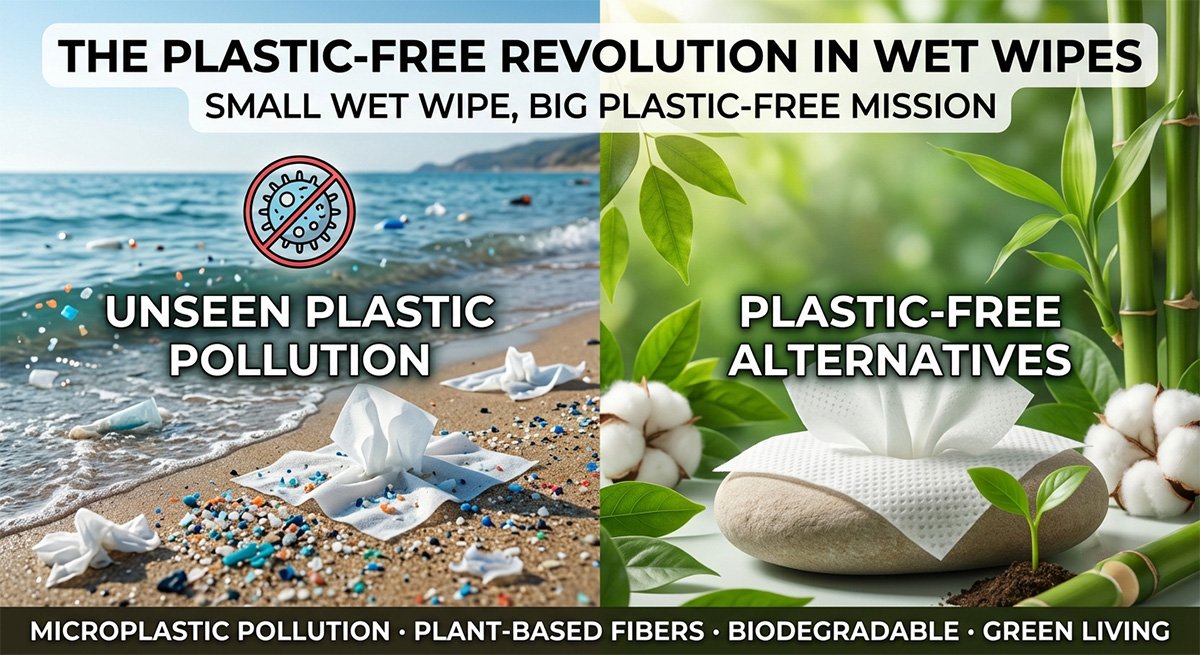
Disposable wiping products, such as wet wipes and soft wipes, are a prime example. From infant care and home cleaning to public disinfection, disposable wiping products are virtually ubiquitous. However, many people are unaware that the vast majority of traditional wet wipes on the market contain non-degradable plastic components (such as polyester fibers).
- Shocking Industry Data: Research shows that in some major Asian markets alone, the combined market size of wet wipes and soft wipes reaches 35 billion yuan, consuming approximately 1.05 million tons of non-woven fabric annually.
- Potential Risks: These massive quantities of plastic-containing wipes are typically discarded after use, readily decomposing into microplastics in nature, posing a serious threat to soil, marine ecosystems, and human health.
2.The Inevitable Trend of Green Alternatives: The Industrial Upgrading Potential of Eco-friendly Wipes
Fortunately, “green alternatives” to disposable wipes not only possess a mature technological foundation but also hold enormous market potential.
Currently, in the spunlace nonwoven fabrics commonly used in wet wipes and soft towels, truly environmentally friendly regenerated cellulose fibers (plant-based biodegradable fibers) account for only about 39%. This means that plastic-free and environmentally friendly materials still have significant room for improvement and replacement in the future.
Core application scenarios for environmentally friendly alternatives include:
- Baby Care: Using pure plant fibers to avoid microplastics coming into contact with babies’ delicate skin.
- Household Cleaning: Developing flushable, biodegradable wet toilet paper and cleaning wipes to reduce pressure on sewers and landfills.
- Personal Beauty: Promoting 100% cotton or bamboo fiber makeup remover wipes to achieve environmental protection throughout the entire life cycle from raw materials to waste.
3.Beware of the “Greenwashing” Trap: How Can Consumers Choose Truly Plastic-Free Products?
With growing environmental awareness, more and more consumers are inclined to buy green products. However, imperfect market regulation and standards have led to the emergence of “greenwashing.”
Many wiping products prominently display “plant fiber,” “eco-friendly,” or “skin-friendly” labels on their packaging, but their Bill of Materials (BOM) disclosures are often vague. Ordinary consumers find it difficult to determine whether plastic fibers are mixed in simply by sight.
To promote the healthy development of the industry, we need to:
- Accelerate the establishment of green evaluation standards: The industry should promptly introduce a clear definition and certification system for plastic-free/low-plastic wiping products.
- Encourage corporate transparency: Brands should be encouraged to clearly label material composition on packaging, such as “100% biodegradable” or “zero added plastic.“
- Consumer education: Enable consumers to “understand and choose wisely,” truly paying for environmentally friendly products.
4.Conclusion: A Big Story in Small Wet Wipes – Sustainable Living Starts with the Details
Green development involves everyone; everyone is an actor. From everyday consumer goods that we all rely on to disposable supplies in commerce, many small details in life and production are important battlegrounds for practicing environmental protection.
Small wet wipes contain a big story about reducing plastic. Green development, in essence, is a shift in lifestyle and consumption choices, and the internalization of environmental awareness. As consumers or buyers, next time you choose wet wipes, take a closer look at the ingredient list and choose truly plastic-free and environmentally friendly products.
Focusing on the details and upholding principles in everyday life, embracing environmental consensus and practicing simplicity are the only ways to ensure that green concepts take root and that we collectively protect our beautiful planet.