
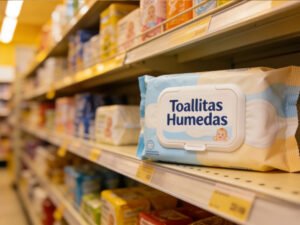




The wet wipes and soft towel industry is undergoing a major transformation. As consumer awareness shifts toward sustainability, manufacturers are pivoting toward materials that balance performance with environmental responsibility. Today, the trend is clear: continuous enhancement of “green attributes” across the entire supply chain.
Understanding the Fibers: Beyond the “Natural vs. Chemical” Myth
Many consumers believe that “100% natural” is the only safe option, while labeling all “chemical fibers” as harmful. In reality, the fibers used in modern wet wipes fall into three distinct categories, each with its own purpose:
- Natural Fibers: Includes cotton and linen.1 These are highly valued for being naturally hypoallergenic.
- Regenerated Cellulose Fibers: Includes Viscose and Lyocell (derived from plant sources like wood and bamboo).2 These are biodegradable and offer superior softness.
- Synthetic Fibers: Includes Polyester (PET).3 Known for high strength and durability, these are essential for heavy-duty cleaning.
Choosing the Right Material for the Right Task
The “best” fiber depends entirely on the application. There is no one-size-fits-all solution; rather, it is a balance of performance, cost, and eco-friendliness.
1. Baby Care & Personal Hygiene (The Rise of Lyocell)
For products in direct contact with sensitive skin—such as baby wipes and facial towels—the industry is seeing a surge in cotton, viscose, and lyocell fibers.
- Cotton: Offers a pure, hypoallergenic experience.4
- Lyocell: This fiber has exploded in popularity because it is eco-friendly and cost-effective, providing an ultra-soft texture with high water absorbency.
2. Industrial & Disinfectant Wipes (The Strength of Polyester)
For disinfectant and industrial cleaning, Polyester remains the market leader. Its high wet-and-dry strength and stain-removing capabilities make it indispensable.

How to Shop Smart: Safety Over Labels
When choosing wet wipes, don’t just look for “100% natural.” To ensure you are getting a safe and effective product, consider these three factors:
- Specific Ingredients: Check for the presence of skin-soothing additives or the absence of harsh preservatives.
- Production Processes: Look for brands that prioritize sustainable manufacturing.
- Certifications: Seek out third-party labels (like FSC for wood pulp or OEKO-TEX for textile safety).
Conclusion
The evolution of wet wipes is moving toward a more transparent, “green” future. By understanding the science behind the fibers—from the biodegradability of Lyocell to the durability of Recycled Polyester—consumers can make informed decisions that benefit both their skin and the planet.